


ملابس غرف التنظيف مقابل الملابس المضادة للكهرباء الساكنة: ما الفرق؟
2026-10-22 10:13
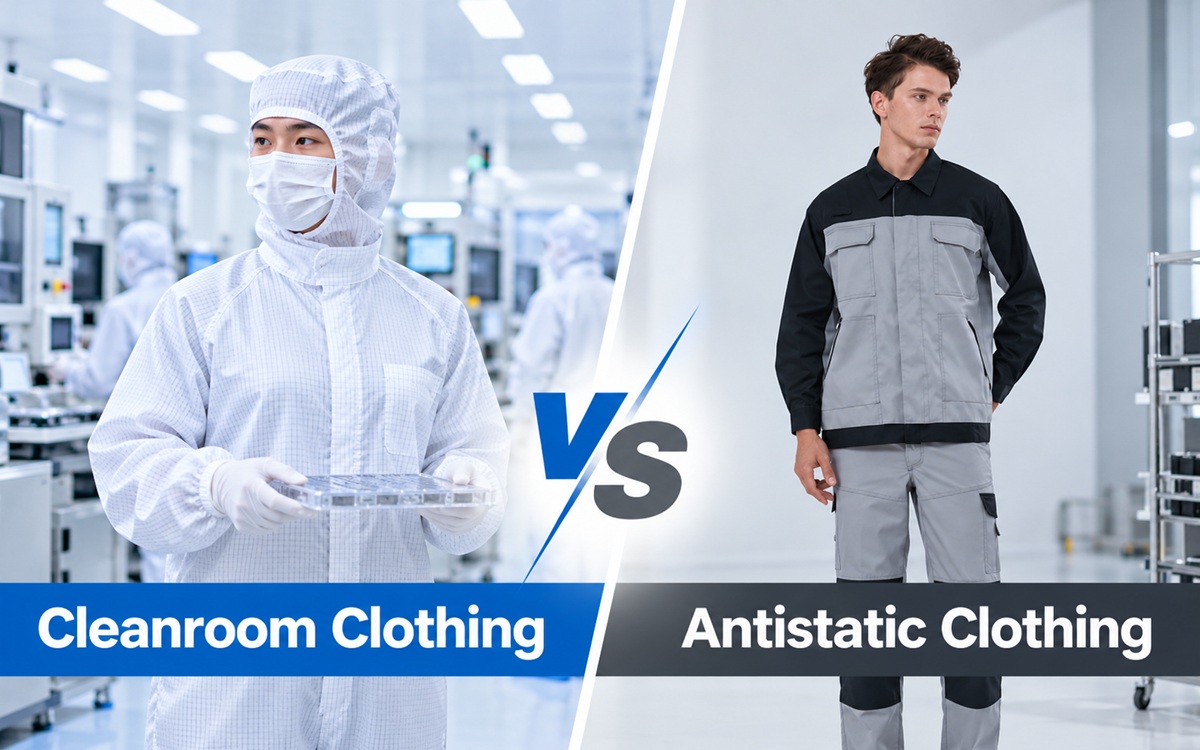
تم تصميم ملابس غرف التنظيف والملابس المضادة للكهرباء الساكنة للتحكم في مخاطر مختلفة.تمنع ملابس غرف التنظيف في المقام الأول دخول الجزيئات والملوثات إلى البيئات الخاضعة للرقابة، بينما تساعد الملابس المضادة للكهرباء الساكنة على تقليل تراكم الشحنات الكهروستاتيكية والتحكم في التفريغ الكهروستاتيكي (ESD).
على الرغم من أن هذه الملابس غالباً ما تستخدم مواد متشابهة وقد تبدو متطابقة تقريباً، إلا أن وظائفها الوقائية غير قابلة للتبادل. فالملابس المصممة للتحكم في الكهرباء الساكنة لا تفي بالضرورة بمتطلبات التلوث في غرف الأبحاث النظيفة، وقد لا توفر الملابس قليلة الوبر في غرف الأبحاث النظيفة حماية كافية من التفريغ الكهروستاتيكي.
في صناعات مثل تصنيع أشباه الموصلات، وتجميع الإلكترونيات، والإنتاج الدقيق، قد يكون كلا النوعين من الملابس ضروريًا. يساعد فهم الاختلافات في بنية النسيج، وتصميم الملابس، ومتطلبات الاختبار، والأداء، مشتري الشركات على اختيار ملابس الحماية المناسبة لعملياتهم.
ملابس غرف التعقيم مقابل الملابس المضادة للكهرباء الساكنة: الاختلافات الرئيسية
يكمن الاختلاف الأساسي في الغرض الذي صُممت كل قطعة ملابس للتحكم فيه.
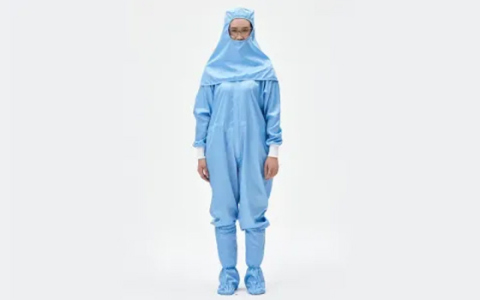
ملابس غرف التنظيفيقلل من التلوث المنبعث من العمال، بما في ذلك الجزيئات من الجلد والشعر والملابس الداخلية. ويعمل كحاجز بين الأفراد والبيئة الخاضعة للرقابة.
تم تصميم الملابس المضادة للكهرباء الساكنة، والمعروفة أيضًا باسم ملابس ESD في العديد من التطبيقات الصناعية، للتحكم في الشحنة الكهروستاتيكية المرتبطة بالملابس وتقليل خطر التفريغ غير المنضبط.
يلخص الجدول التالي الاختلافات الرئيسية بينهما.
| مقارنة | ملابس غرف التعقيم | ملابس مضادة للكهرباء الساكنة |
|---|---|---|
| الغرض الأساسي | مكافحة التلوث | التحكم في الشحنات الكهروستاتيكية |
| الخطر الرئيسي | التلوث بالجسيمات والميكروبات | تراكم الشحنات الساكنة والتفريغ الكهروستاتيكي |
| الأقمشة النموذجية | أقمشة قليلة الوبر، ذات بنية محكمة | أقمشة تحتوي على ألياف موصلة |
| الأداء الرئيسي | تساقط الجسيمات وفعالية الحاجز | المقاومة الكهربائية وتبديد الشحنة |
| الملابس الشائعة | بدلات واقية، أغطية رأس، بدلات غرف نظيفة | سترات واقية من التفريغ الكهروستاتيكي، مآزر، سراويل، بدلات عمل |
| الصناعات الرئيسية | المستحضرات الصيدلانية، والتكنولوجيا الحيوية، وأشباه الموصلات | الإلكترونيات، والتصنيع الدقيق، وملابس العمل الصناعية |
| المتطلبات ذات الصلة | إجراءات مكافحة التلوث في الغرف النظيفة | متطلبات التحكم في التفريغ الكهروستاتيكي وملابس الحماية الكهروستاتيكية |
توضح هذه الفروقات لماذا يجب أن يبدأ اختيار الملابس بمخاطر مكان العمل بدلاً من أسماء المنتجات.
1. التحكم في التلوث مقابل الحماية من التفريغ الكهروستاتيكي
كيف تساهم ملابس غرف التنظيف في مكافحة التلوث
يُعدّ المشغلون البشريون مصدراً محتملاً للتلوث في البيئات الخاضعة للرقابة. إذ يمكن أن تنطلق جزيئات الجلد والشعر والألياف والكائنات الدقيقة أثناء الحركة العادية.
تساعد الملابس المستخدمة في غرف التنظيف على الحد من انتقال هذه الملوثات إلى البيئة المحيطة.
تعتمد فعاليتها على خصائص تساقط جزيئات النسيج، وأداء الحاجز، وتغطية الملابس، والإغلاقات، وإجراءات ارتداء الملابس الصحيحة.
على سبيل المثال، قد تتطلب منطقة إنتاج الأدوية ملابس تقلل من انبعاث الجسيمات وتدعم استراتيجية مكافحة التلوث في المنشأة.
ومع ذلك، فإن التوصيل الكهروستاتيكي وحده لا يحدد ما إذا كان النسيج يوفر تحكمًا كافيًا في التلوث.
كيف تتحكم الملابس المضادة للكهرباء الساكنة في التفريغ الكهروستاتيكي؟
يمكن أن تتراكم الكهرباء الساكنة عندما تتلامس المواد أو تنفصل أو تحتك ببعضها البعض.
قد تحتفظ المنسوجات العازلة التقليدية بالشحنة الكهربائية، مما يخلق خطرًا محتملاً لحدوث تفريغ كهربائي في البيئات الحساسة.
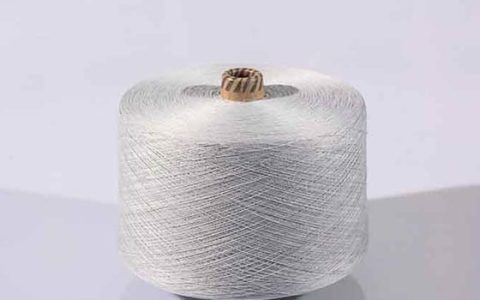
ملابس عمل مضادة للكهرباء الساكنةتتضمن هذه التقنية مواد موصلة تساعد على توزيع الشحنة أو تبديدها. وغالبًا ما تُدمج هذه العناصر الموصلة في الأقمشة المنسوجة أو المحبوكة من خلال خيوط تحتوي على الكربون أو تقنيات أخرى للخيوط الموصلة.
بالنسبة لتصنيع الإلكترونيات، يساعد هذا في إدارة المخاطر الكهروستاتيكية المرتبطة بالملابس.
مع ذلك، لا يزيل ارتداء الملابس المضادة للكهرباء الساكنة جميع مخاطر التفريغ الكهروستاتيكي بمفرده. بل يعمل عادةً بالتزامن مع أنظمة التأريض، والأحذية المناسبة، والأرضيات المقاومة للكهرباء الساكنة، وغيرها من وسائل التحكم في مكان العمل.
2. متطلبات النسيج: أداء منخفض الوبر مقابل أداء موصل
يُعد تركيب النسيج أحد أهم الاختلافات بين فئتي الملابس.
أقمشة ملابس غرف التعقيم
يجب أن يقلل النسيج المناسب للغرف النظيفة من إطلاق ونقل الجزيئات أثناء الاستخدام.
تشمل المتطلبات الشائعة ما يلي:
انخفاض تساقط الجسيمات
خصائص حاجز مناسبة
مقاومة للحركة المتكررة والتآكل
التوافق مع عملية التنظيف المطلوبة
راحة وتهوية مناسبة
تُستخدم أقمشة البوليستر ذات الخيوط المتصلة بشكل شائع في صناعة ملابس غرف التنظيف القابلة لإعادة الاستخدام لأنها توفر توليدًا منخفضًا نسبيًا للوبر وهياكل نسيجية متناسقة.
مع ذلك، فإن تركيبة النسيج وحدها لا تكفي لتحديد مدى ملاءمة المنتج للغرف النظيفة. يجب تقييم المادة النهائية وفقًا لمتطلبات مكافحة التلوث في المنشأة.
أقمشة للملابس المضادة للكهرباء الساكنة
أنقماش مضاد للكهرباء الساكنةيتطلب ذلك مكونًا يعمل كهربائيًا.
ويتحقق ذلك عادةً عن طريق دمج خيوط موصلة في قاعدة نسيجية تقليدية.
يمكن ترتيب الخيوط الموصلة المحتوية على الكربون في شبكات أو شرائط لإنشاء مسارات موصلة في جميع أنحاء النسيج.
على سبيل المثال، تقوم شركة CJTI بتوريد أقمشة مضادة للكهرباء الساكنة مصنوعة من البوليستر والبوليستر والقطن تحتوي على ألياف موصلة للملابس الصناعية.
يعتمد الأداء الكهربائي على المادة الموصلة، وتوزيع الخيوط، وبنية النسيج، وظروف الاختبار المطبقة.
هل يمكن لنسيج واحد أن يوفر كلا الوظيفتين؟
نعم. يمكن تصميم نسيج يجمع بين انخفاض تساقط الجسيمات والتحكم الكهروستاتيكي.
على سبيل المثال، قد تكون أقمشة خيوط البوليستر المحبوكة بإحكام والتي تتضمن خيوطًا موصلة مناسبة لبعض تطبيقات غرف التنظيف الحساسة للتفريغ الكهروستاتيكي.
ومع ذلك، يجب تقييم الدالتين بشكل منفصل.
لا ينبغي وصف النسيج الذي يفي بمتطلبات الكهرباء الساكنة تلقائيًا بأنه متوافق مع غرف الأبحاث النظيفة دون وجود أدلة داعمة للتحكم في التلوث.
وبالمثل، لا ينبغي افتراض أن النسيج منخفض الوبر يوفر حماية فعالة ضد التفريغ الكهروستاتيكي لمجرد أنه مصنوع من البوليستر.
3. تصميم الملابس: متطلبات التغطية والبناء
كما تؤثر الوظيفة المقصودة على كيفية تصميم الملابس.
تصميم الملابس في غرف التنظيف
تركز ملابس غرف التنظيف على تقليل انتقال التلوث من الشخص الذي يرتديها.
قد تتضمن التصاميم، بحسب البيئة، ما يلي:
بدلة تغطي كامل الجسم
أغطية مدمجة أو منفصلة
أساور ضيقة
إغلاقات مغطاة أو مخفية
درزات وإكسسوارات قليلة التساقط
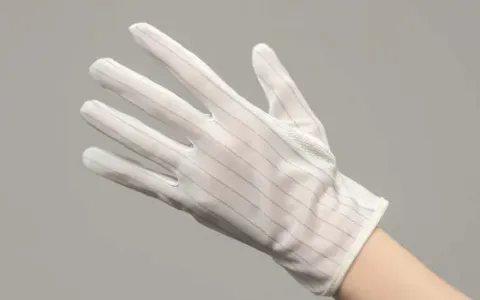
قفازات وأحذية متوافقة
قد تتطلب البيئات ذات التحكم العالي تغطية شاملة، بينما قد تستخدم المناطق الخاضعة للتحكم الأخرى أنظمة ملابس أبسط.
يعتمد التصميم المناسب على متطلبات النظافة والإجراءات التشغيلية.
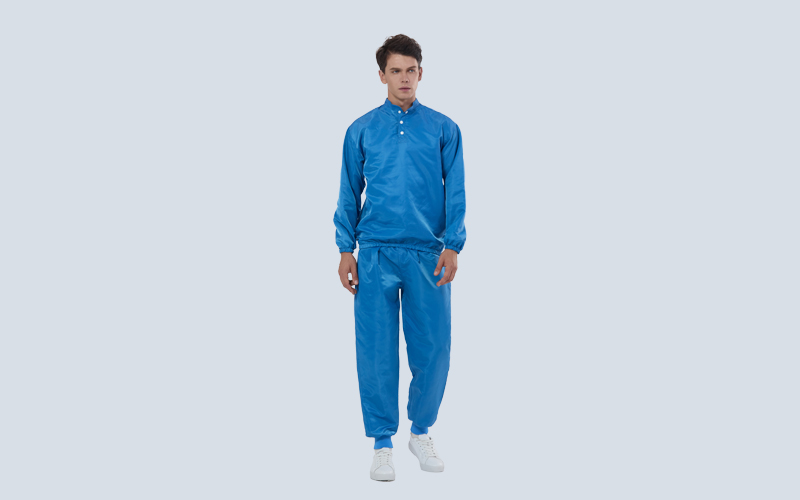
تصميم ملابس مضادة للكهرباء الساكنة
لملابس مضادة للكهرباء الساكنةيجب أن يدعم تصميم الملابس التحكم الكهروستاتيكي.
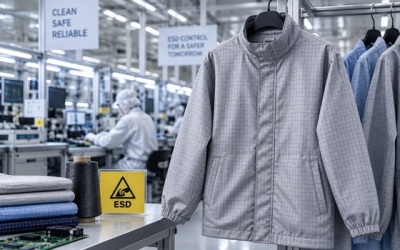
تشمل الأنماط الشائعة معاطف واقية من التفريغ الكهروستاتيكي، والسترات، والسراويل، والبدلات الواقية.
تشمل الاعتبارات المهمة تغطية الملابس، واستمرارية النسيج، والإغلاقات، والأساور، والتوافق مع نظام التحكم الأوسع في التفريغ الكهروستاتيكي.
في بعض التطبيقات، يتم استخدام سترة مضادة للكهرباء الساكنة للمساعدة في التحكم في الشحنات الكهروستاتيكية المرتبطة بالملابس الداخلية التي يرتديها الشخص.
على عكس بدلة العمل الخاصة بغرف التنظيف، قد لا توفر سترة الحماية من التفريغ الكهروستاتيكي التقليدية احتواءً كافيًا للجسيمات في بيئة غرفة تنظيف خاضعة للتحكم.
4. ما هي المعايير التي تنطبق على غرف التنظيف والملابس المضادة للكهرباء الساكنة؟
تكتسب المعايير أهمية خاصة لأن المصنّعين يستخدمون أحيانًا مصطلحات مثللا، تتناول المواصفة القياسية ISO 14644 غرف التنظيف والبيئات الخاضعة للرقابة المرتبطة بها. ويتطلب أداء الملابس الواقية من الكهرباء الساكنة تقييمًا وفقًا لمتطلبات الملابس الواقية المناسبة من الكهرباء الساكنة أو التفريغ الكهروستاتيكي.ما نوع القماش المناسب لبدلة غرفة نظيفة مضادة للكهرباء الساكنة؟تُعدّ أقمشة البوليستر قليلة الوبر المُدمجة بخيوط موصلة من الخيارات الشائعة. ويعتمد الاختيار النهائي على متطلبات مكافحة التلوث، والأداء الكهروستاتيكي، وتصميم الملابس، والاختبارات.خاتمةالفرق الرئيسي بين ملابس غرف التنظيف والملابس المضادة للكهرباء الساكنة هو غرضها الوقائي: تركز ملابس غرف التنظيف على التحكم في التلوث، بينما تعمل الملابس المضادة للكهرباء الساكنة على إدارة الشحنة الكهروستاتيكية.على الرغم من تداخل الفئتين، لا ينبغي افتراض أي من الوظيفتين من المظهر أو تكوين النسيج أو ملصق المنتج العام.
| بالنسبة للبيئات التي تتطلب كلاً من النظافة والحماية من التفريغ الكهروستاتيكي، ينبغي على المشترين اختيار الملابس ذات الأداء المنخفض للجسيمات والكهرباء الساكنة الذي تم التحقق منه. | من خلال تحديد المخاطر، والتحقق من المتطلبات المعمول بها، وتقييم نظام الملابس بالكامل، يمكن للمصنعين اختيار الملابس الواقية التي تدعم الإنتاج الموثوق والتحكم المناسب في مكان العمل. | Relevance to Clothing |
|---|---|---|
| ISO 14644-1 | Classification of airborne particle cleanliness | Establishes cleanroom cleanliness classifications |
| ISO 14644-5:2025 | Cleanroom operations and contamination-control procedures | Includes personnel management and gowning programs |
| IEC 61340-5-1 | ESD control programs for electronic devices | Relevant to garments within electronics ESD control systems |
| ANSI/ESD S20.20 | ESD control programs | Used for managing electrostatic risks in electronics environments |
| EN 1149 series | Electrostatic properties of protective clothing | Relevant to specified electrostatic protective clothing applications |
An important distinction is that ISO 14644-1 classifies cleanroom air cleanliness, not the performance of an individual garment.
Similarly, IEC 61340-5-1 and ANSI/ESD S20.20 establish ESD control program requirements. Buyers should identify the applicable garment-specific measurements and acceptance criteria rather than treating these standards as simple product labels.
EN 1149 addresses electrostatic properties of protective clothing, particularly in relevant protective clothing applications. It should not automatically be treated as interchangeable with electronics ESD garment requirements.
For procurement, buyers should confirm exactly what has been tested: the raw fabric, finished garment, or complete clothing system.
5. When Do You Need Both Cleanroom and Antistatic Clothing?
Some manufacturing environments require both contamination control and electrostatic protection.
In these cases, selecting only one clothing category may leave important risks unaddressed.
Semiconductor Manufacturing
Semiconductor production is sensitive to airborne particles and electrostatic discharge.
Personnel clothing may need to limit particle release while also controlling electrostatic charge.
A suitable ESD cleanroom suit can incorporate low-linting fabric construction and conductive yarn technology.
Electronics Assembly in Controlled Environments
Electronics facilities operating ESD Protected Areas may use antistatic smocks or jackets.
If the production process also requires controlled airborne cleanliness, the garments must satisfy the additional contamination-control requirements.
An ordinary ESD jacket should not automatically be substituted for a qualified cleanroom garment.
Pharmaceutical and Biotechnology Production
In pharmaceutical cleanrooms, contamination control is generally a primary consideration.
Garment selection may involve particle containment, microbial contamination control, and compatibility with cleaning or sterilization procedures.
Antistatic performance may also be required where electrostatic risks are identified, but it is not a substitute for contamination-control performance.
Precision Optical Manufacturing
Optical components can be sensitive to particulate contamination, while certain electronic production processes may also involve ESD-sensitive equipment.
Depending on the process, clothing may therefore require one or both protective functions.
The key is to evaluate actual process risks rather than assuming that every cleanroom requires the same antistatic garment.
6. How to Choose Between Cleanroom Clothing and Antistatic Clothing
For B2B buyers, the most effective selection process begins with the operating environment.
Step 1: Identify the Primary Risk
Determine whether the workplace mainly requires contamination control, electrostatic control, or both.
For example, an electronics assembly area may prioritize ESD control, while a pharmaceutical production cleanroom may prioritize contamination containment.
Step 2: Define Performance Requirements
Specify the relevant cleanroom classification, contamination-control criteria, electrical performance requirements, and any additional workplace hazards.
Do not rely exclusively on broad descriptions such as "dust-free" or "ESD safe."
Step 3: Review Fabric Specifications
For cleanroom clothing, evaluate low-linting properties, barrier performance, durability, and cleaning compatibility.
For antistatic clothing, review conductive fiber composition, resistance measurements, and relevant electrostatic testing.
Where both functions are required, request evidence supporting each.
Step 4: Confirm Garment Construction
Check whether the garment provides appropriate coverage, closures, cuffs, seams, and compatible accessories.
The complete clothing system should match the working environment.
Step 5: Validate Samples and Documentation
Before bulk purchasing, request relevant test reports and evaluate garment samples under realistic use conditions.
For reusable clothing, consider whether the specified properties remain acceptable after the intended laundering cycles.
| Buyer Requirement | Recommended Priority |
|---|---|
| General contamination-controlled production | Low-linting cleanroom clothing |
| Electronics ESD Protected Area | Suitable ESD clothing within an ESD control program |
| ESD-sensitive semiconductor cleanroom | Combined cleanroom and ESD performance |
| Pharmaceutical cleanroom | Contamination-control requirements, with additional functions as needed |
| Industrial workwear with static hazards | Appropriate electrostatic protective clothing and other required protection |
This approach helps buyers avoid unnecessary specifications while ensuring that important performance requirements are not overlooked.
7. Cleanroom and Antistatic Clothing Solutions from CJTI
CJTI develops functional textiles and workwear for industrial and controlled environments, including cleanroom clothing, antistatic fabrics, conductive yarns, and finished ESD garments.
Its product range includes antistatic cleanroom garments manufactured using polyester and conductive fibers, as well as specialized clothing for electrostatic control.
For example, CJTI's Half Placket Antistatic Cleanroom Clothing combines polyester filaments with conductive yarns for controlled-environment applications.
CJTI also offers antistatic coveralls and garments with integrated hoods and foot coverings, allowing customers to consider different levels of coverage and functional requirements.
Buyers can explore antistatic clothing and cleanroom clothing solutions according to their industry and workplace needs.
For OEM and ODM projects, the sourcing discussion should begin with the required fabric performance, garment style, size range, application environment, and supporting test documentation.
This helps connect material selection with the performance requirements of the finished garment.

Frequently Asked Questions
Is cleanroom clothing always antistatic?
No. Some cleanroom garments incorporate conductive fibers for ESD control, but antistatic performance is not automatically guaranteed by the cleanroom clothing designation. Buyers should verify the applicable electrical specifications.
Can antistatic clothing be worn in a cleanroom?
Yes, provided it also meets the cleanroom's contamination-control requirements. Ordinary antistatic workwear may not have sufficiently low particle shedding or the appropriate garment construction for cleanroom use.
What is the difference between an ESD smock and a cleanroom coverall?
An ESD smock primarily supports electrostatic charge control, often covering the wearer's upper body and underlying clothing. A cleanroom coverall provides more extensive body coverage to help contain particles. Some garments are designed to perform both functions.
Does ISO 14644 certify antistatic clothing?
No. ISO 14644 addresses cleanrooms and associated controlled environments. Electrostatic garment performance requires evaluation against appropriate ESD or electrostatic protective clothing requirements.
What fabric is suitable for an ESD cleanroom suit?
Low-linting polyester filament fabrics incorporating conductive yarns are commonly used options. The final choice depends on contamination-control requirements, electrostatic performance, garment construction, and testing.
Conclusion
The main difference between cleanroom clothing and antistatic clothing is their protective purpose: cleanroom garments focus on contamination control, while antistatic garments manage electrostatic charge.
Although the two categories overlap, neither function should be assumed from appearance, fabric composition, or a general product label.
For environments requiring both cleanliness and ESD protection, buyers should select garments with verified low-particle and electrostatic performance.
By defining the risks, checking applicable requirements, and evaluating the complete garment system, manufacturers can choose protective clothing that supports reliable production and appropriate workplace control.
أخبار ذات صلة
اقرأ المزيد >-
![كيفية اختيار خيوط الفولاذ المقاوم للصدأ للمنسوجات الموصلة؟]()
كيفية اختيار خيوط الفولاذ المقاوم للصدأ للمنسوجات الموصلة؟
تعرّف على كيفية اختيار خيوط الفولاذ المقاوم للصدأ للمنسوجات الموصلة. قارن بين محتوى الألياف، والمقاومة الكهربائية، وعدد الخيوط، والمتانة، ومتطلبات الاختبار.
-
![خيوط الفولاذ المقاوم للصدأ مقابل الخيوط الموصلة: ما الفرق؟]()
خيوط الفولاذ المقاوم للصدأ مقابل الخيوط الموصلة: ما الفرق؟
قارن بين خيوط الفولاذ المقاوم للصدأ وخيوط الكربون والخيوط الموصلة المطلية بالفضة. استكشف الاختلافات في الموصلية والمتانة والمرونة والتطبيقات.
-
![كيف تعمل السترة المضادة للكهرباء الساكنة؟]()
كيف تعمل السترة المضادة للكهرباء الساكنة؟
تعرف على كيفية عمل السترة المضادة للكهرباء الساكنة، وكيف تعمل الخيوط الموصلة والأقمشة المضادة للكهرباء الساكنة على تبديد الشحنة الساكنة، وما الذي يؤثر على أداء الحماية من التفريغ الكهروستاتيكي.
-
![ما هي السترة المضادة للكهرباء الساكنة؟]()
ما هي السترة المضادة للكهرباء الساكنة؟
تعرف على ماهية السترة المضادة للكهرباء الساكنة، وكيفية عملها، والمواد المستخدمة فيها، وتطبيقاتها الرئيسية، ومعايير الحماية من التفريغ الكهروستاتيكي، وكيفية اختيار السترة المناسبة للعمل.
-
![ما هي استخدامات خيوط الفولاذ المقاوم للصدأ؟]()
ما هي استخدامات خيوط الفولاذ المقاوم للصدأ؟
اكتشف استخدامات خيوط الفولاذ المقاوم للصدأ، بدءًا من الأقمشة المضادة للكهرباء الساكنة والواقية من التداخل الكهرومغناطيسي وصولًا إلى المنسوجات الذكية والتدفئة والملابس الواقية.
-
![ما هو خيط الفولاذ المقاوم للصدأ؟]()
ما هو خيط الفولاذ المقاوم للصدأ؟
ما هو خيط الفولاذ المقاوم للصدأ؟ تعرف على موصليته وخصائصه وأنواعه وتطبيقاته واستخداماته في المنسوجات المضادة للكهرباء الساكنة والكهرباء الساكنة والمنسوجات الوظيفية.
-
![ما هي المنسوجات المقاومة للهب؟]()
ما هي المنسوجات المقاومة للهب؟
تعرف على ماهية الأقمشة المقاومة للهب، وكيفية عملها، وأنواع الأقمشة الرئيسية، وتطبيقاتها، ومعاييرها، وكيفية اختيار الأقمشة المقاومة للهب للملابس الواقية.
-
![ما هو قماش القطن المقاوم للهب؟]()
ما هو قماش القطن المقاوم للهب؟
يشرح هذا الدليل ماهية قماش القطن المقاوم للهب، وكيفية عمله، وكيف يختلف عن المواد المقاومة للهب الطبيعية، وأين يُستخدم، وما هي المعايير التي يجب على المشترين مراعاتها، وكيفية اختيار القماش المناسب لبرنامج الملابس الواقية.