


ملابس غرف التعقيم: الدليل الأمثل للبيئات الخاضعة للرقابة
2026-06-26 14:36
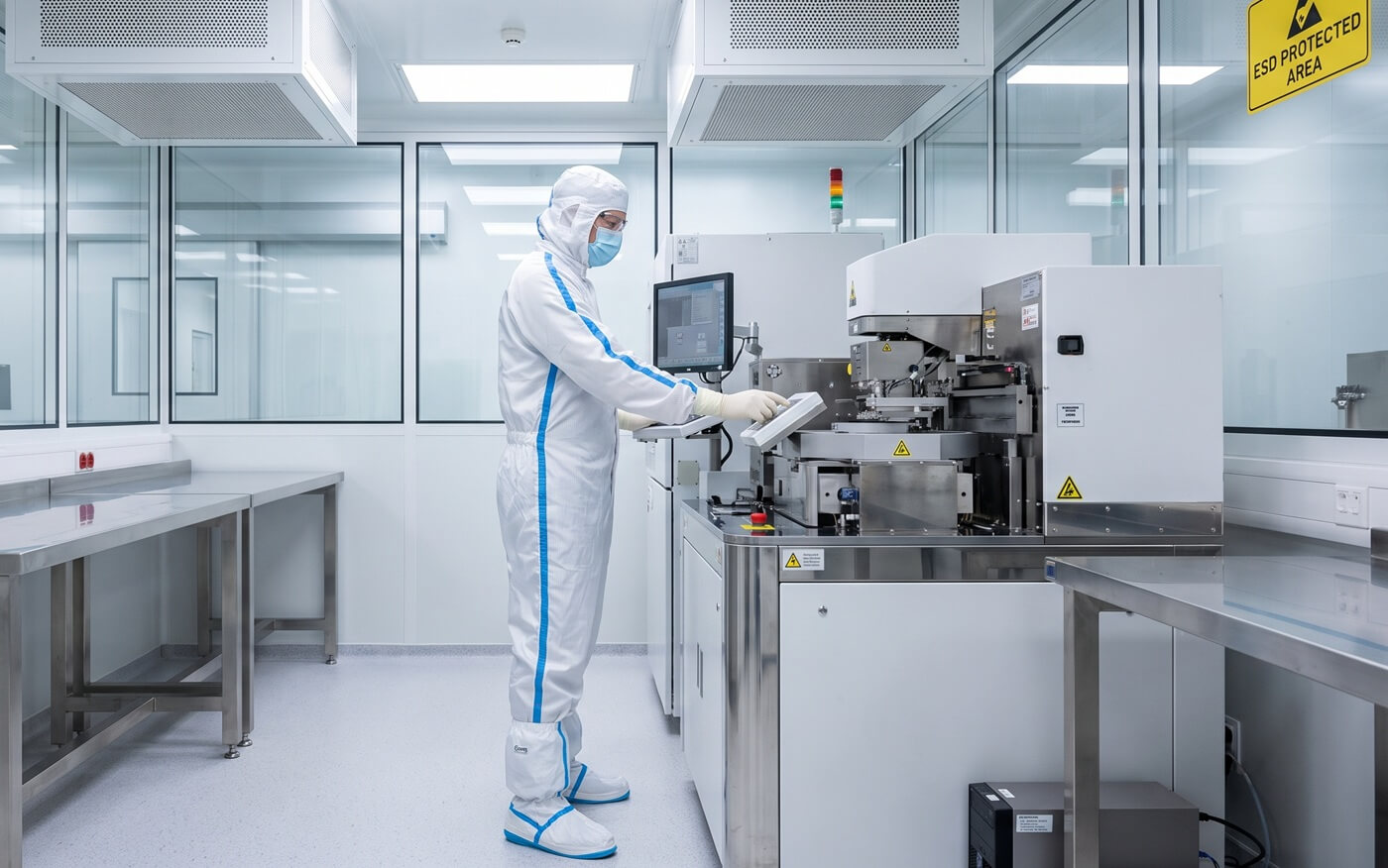
في الصناعات التي يُعدّ فيها التحكم في التلوث أمرًا بالغ الأهمية، تلعب ملابس غرف التنظيف دورًا حيويًا في الحفاظ على جودة المنتج، وسلامة العمليات، والامتثال لمعايير التصنيع الصارمة. فمن إنتاج أشباه الموصلات ومختبرات الأدوية إلى مرافق التكنولوجيا الحيوية وتصنيع الإلكترونيات الدقيقة، تعتمد البيئات الخاضعة للرقابة اعتمادًا كبيرًا على ملابس متخصصة مصممة لتقليل انبعاث الجسيمات والتفريغ الكهروستاتيكي.
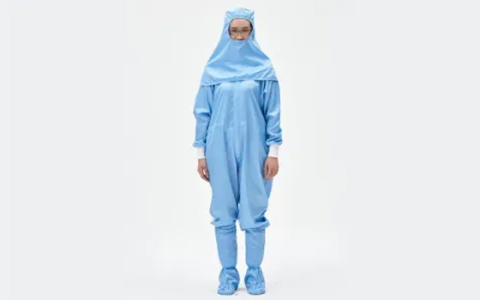
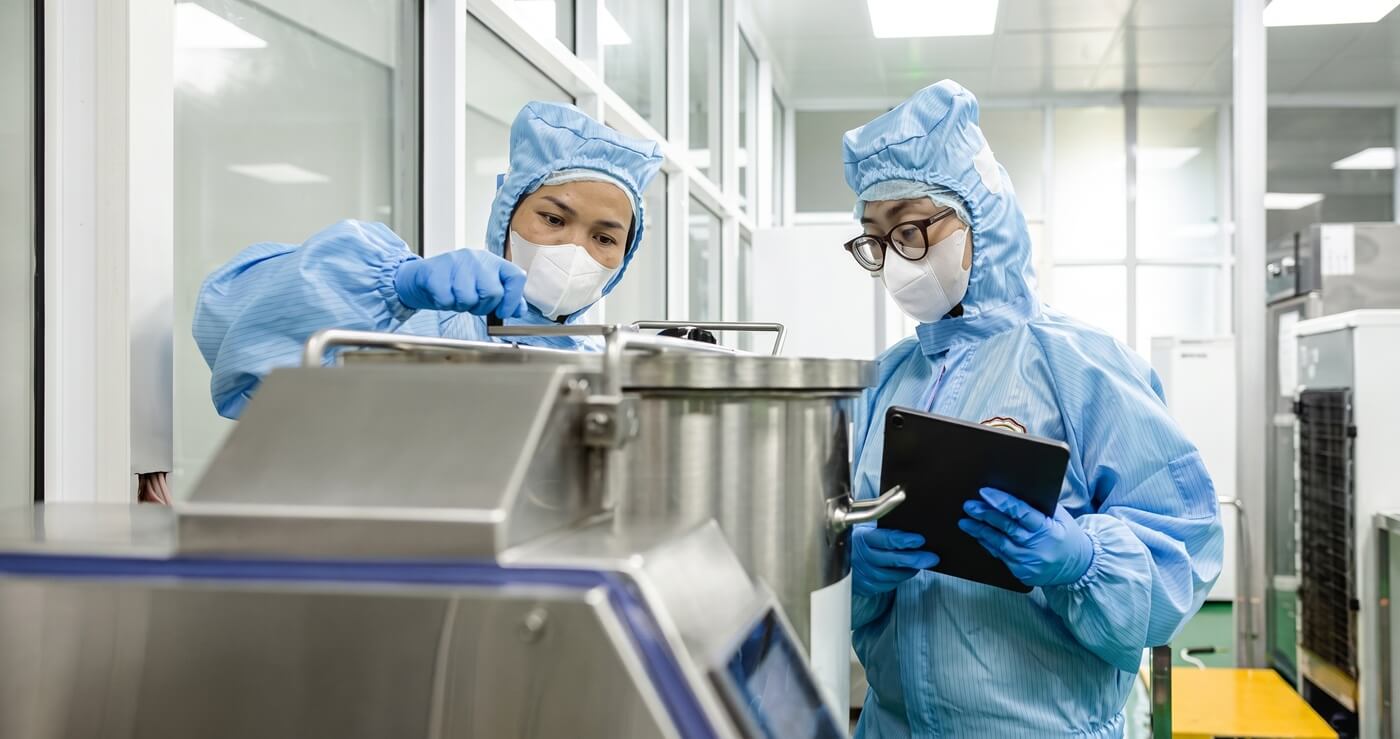
على عكس ملابس العمل العادية،ملابس غرف العمليات النظيفةصُممت هذه الملابس باستخدام أقمشة متطورة مضادة للكهرباء الساكنة وأقمشة وظيفية تساعد على منع الغبار والميكروبات والألياف والكهرباء الساكنة من تلويث البيئات الحساسة. سواءً كانت بدلة كاملة لغرفة نظيفة، أو بدلة عمل لغرفة نظيفة، أو رداء واقٍ من الكهرباء الساكنة، فإن كل قطعة ملابس تساهم في مكافحة التلوث وضمان موثوقية العمليات.
يستكشف هذا الدليل أهمية ملابس غرف التنظيف، وأنواع الملابس الشائعة، وتقنيات المواد، ومعايير الاختيار، وممارسات الصيانة للبيئات الخاضعة للرقابة.
ما هي ملابس غرف التنظيف؟
تشير ملابس غرف التنظيف إلى ملابس واقية متخصصة مصممة للاستخدام في بيئات خاضعة للرقابة، حيث يجب تقليل الجسيمات المحمولة جواً والكائنات الدقيقة والتفريغ الكهروستاتيكي إلى أدنى حد. والغرض الأساسي من ملابس غرف التنظيف هو منع التلوث الناتج عن العمال من دخول مناطق التصنيع أو البحث الحساسة.
تُطلق بشرة الإنسان وشعره وملابسه العادية جزيئات باستمرار في البيئة المحيطة. في صناعات مثل تصنيع أشباه الموصلات أو إنتاج الأدوية، حتى الملوثات المجهرية قد تُلحق الضرر بالمنتجات أو تُؤثر سلبًا على جودة الإنتاج. لهذا السبب، تُصنع ملابس غرف التعقيم باستخدام أقمشة وظيفية محكمة النسيج وتقنيات خيوط موصلة تُساعد على التحكم في التلوث وتراكم الشحنات الساكنة.
تشمل الملابس النموذجية المستخدمة في غرف التنظيف ما يلي:
بدلات العمل في غرف الأبحاث النظيفة
السترات والمعاطف المختبرية
أغطية الرأس وأقنعة الوجه
قفازات وأغطية أحذية
ملابس مقاومة للكهرباء الساكنة
إن بدلة غرفة التنظيف المصممة بشكل صحيح لا تحمي المنتج والبيئة فحسب، بل تعمل أيضاً على تحسين راحة العامل وكفاءة التشغيل.
لماذا تعتبر ملابس غرف التنظيف ضرورية في البيئات الخاضعة للرقابة
تتطلب البيئات الخاضعة للرقابة إدارة صارمة للتلوث. فبدون ملابس غرف نظيفة مناسبة، يمكن أن تؤثر الجزيئات المحمولة جواً والبكتيريا والألياف والتفريغ الكهروستاتيكي سلباً على عمليات الإنتاج وجودة المنتج.
يُعدّ التحكم في الجسيمات أحد الأسباب الرئيسية لأهمية ملابس غرف التنظيف. ويُعتبر العاملون البشريون من أكبر مصادر التلوث في غرف التنظيف. وتساعد بدلات العمل المتخصصة في غرف التنظيف وملحقاتها الواقية على احتواء الجسيمات المنبعثة من الجسم والملابس.
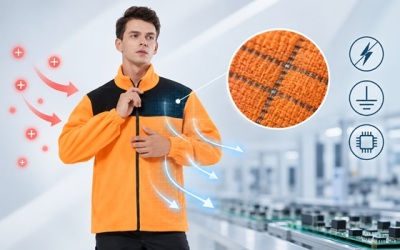
ومن الوظائف المهمة الأخرى الحماية من التفريغ الكهروستاتيكي. ففي صناعات الإلكترونيات وأشباه الموصلات، يمكن للكهرباء الساكنة أن تُلحق الضرر بالمكونات الحساسة. وتُصنع ملابس غرف التنظيف من خيوط موصلة وقماش مضاد للكهرباء الساكنةتساعد على تبديد الشحنات الساكنة بأمان، مما يقلل من خطر تعطل المنتج.
بالإضافة إلى ذلك، تساعد ملابس غرف التنظيف الشركات على الامتثال لمعايير الصناعة مثل تصنيفات غرف التنظيف ISO ولوائح السلامة من التفريغ الكهروستاتيكي. ويتعين على العديد من الصناعات اتباع إرشادات صارمة للتحكم في التلوث للحفاظ على الشهادات وثقة العملاء.
كما أن ارتداء الملابس المناسبة في غرف التنظيف يحسن سلامة العمال من خلال توفير حاجز إضافي ضد المواد الكيميائية والمساحيق والملوثات البيولوجية والجسيمات الخطرة في تطبيقات معينة.
الصناعات التي تتطلب ملابس غرف نظيفة
تعتمد العديد من الصناعات على ملابس غرف التنظيف للحفاظ على معايير إنتاج عالية وبيئات خالية من التلوث.
تصنيع أشباه الموصلات والإلكترونيات
تستخدم منشآت أشباه الموصلات أنظمة بدلات غرف نظيفة وحلول أردية واقية من التفريغ الكهروستاتيكي لحماية المكونات الإلكترونية الحساسة من الغبار والتفريغ الكهروستاتيكي. حتى الجسيمات الصغيرة جدًا يمكن أن تُلحق الضرر بالرقائق الإلكترونية الدقيقة والأجهزة الإلكترونية الدقيقة.
صناعات الأدوية والتكنولوجيا الحيوية
تعتمد شركات تصنيع الأدوية على الملابس المعقمة المستخدمة في غرف العمليات النظيفة لمنع التلوث الميكروبي أثناء إنتاج الأدوية وتعبئتها واختبارها في المختبر. وتُعدّ هذه الملابس ضرورية للحفاظ على نقاء المنتج.
تصنيع الأجهزة الطبية
يتطلب إنتاج الأجهزة الطبية بيئات خاضعة للرقابة لضمان سلامة المرضى والامتثال للوائح التنظيمية. وتساعد بدلات وقفازات غرف الأبحاث النظيفة على تقليل مخاطر التلوث أثناء التجميع والتعبئة والتغليف.
صناعة الطيران والفضاء والبصريات
تتطلب الصناعات الدقيقة، مثل صناعة الطيران والفضاء والبصريات، أنظمة متطورة للتحكم في التلوث للحفاظ على دقة المنتج وأدائه. وتساعد الملابس المتخصصة المستخدمة في غرف التنظيف على حماية العدسات البصرية الحساسة ومكونات صناعة الطيران والفضاء.
معالجة الأغذية والمختبرات
تستخدم بعض مرافق إنتاج الأغذية ومختبرات الأبحاث أيضاً ملابس غرف نظيفة للحفاظ على النظافة والتحكم في التلوث أثناء العمليات الحرجة.
أنواع ملابس غرف التنظيف وملحقات الحماية
تتطلب البيئات الخاضعة للرقابة المختلفة أنواعًا مختلفة من ملابس غرف التنظيف اعتمادًا على مستويات التلوث والمخاطر التشغيلية ومعايير الصناعة.
بدلات العمل في غرف الأبحاث النظيفة
تُعد بدلات العمل الخاصة بغرف الأبحاث النظيفة من بين أكثر الملابس استخداماً في البيئات الخاضعة للرقابة. فهي توفر حماية كاملة للجسم وتساعد في احتواء الجزيئات المنبعثة من العمال.
تُصنع بدلات العمل عالية الجودة في غرف الأبحاث عادةً من أقمشة عملية خفيفة الوزن توفر التهوية والمتانة ومقاومة الكهرباء الساكنة. وتتضمن بعض التصاميم أساور مطاطية وسحابات مخفية وأغطية رأس مدمجة لتعزيز التحكم في التلوث.
معاطف وسترات المختبر
تُستخدم معاطف وسترات المختبرات بشكل شائع في غرف التعقيم أو بيئات المختبرات ذات المستوى الأدنى. توفر هذه الملابس حماية أساسية من التلوث مع السماح بحرية حركة وراحة أكبر.
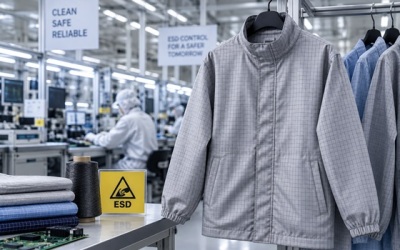
يُعد الرداء الواقي من التفريغ الكهروستاتيكي مثالاً شائعاً يستخدم في صناعة الإلكترونيات، حيث تكون الحماية من الكهرباء الساكنة مطلوبة إلى جانب التحكم المعتدل في الجسيمات.
أغطية الرأس، والقبعات، وأقنعة الوجه
يُعد الشعر وجزيئات الجهاز التنفسي من المصادر الرئيسية للتلوث في البيئات الخاضعة للرقابة. وتساعد الأغطية والقبعات وأقنعة الوجه على الحد من انتشار الجزيئات وتحسين نظافة غرف العمليات النظيفة.
غالباً ما يتم دمج هذه الملحقات مع بدلة غرفة نظيفة كاملة لتصنيفات غرف التنظيف ذات المستوى الأعلى.
قفازات وأغطية أحذية
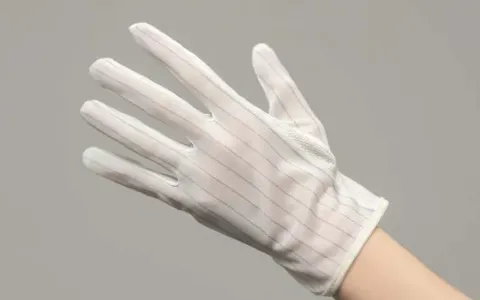
تمنع القفازات التلوث الناتج عن التلامس المباشر، بينما تقلل أغطية الأحذية من انتقال الجزيئات من الأحذية. غالبًا ما تُصمم القفازات المتوافقة مع غرف الأبحاث النظيفة باستخدام مواد منخفضة الجزيئات ذات مقاومة كيميائية ممتازة وخصائص تحكم في الشحنات الساكنة.
ملابس غرف نظيفة مقاومة للكهرباء الساكنة
صُممت الملابس المقاومة للتفريغ الكهروستاتيكي خصيصاً للبيئات التي يشكل فيها التفريغ الكهروستاتيكي خطراً. تحتوي هذه الملابس على خيوط موصلة ضمن بنية النسيج لتبديد الكهرباء الساكنة بأمان.
غالباً ما تتطلب الصناعات التي تتعامل مع الإلكترونيات الحساسة استخدام أقمشة مضادة للكهرباء الساكنة وملابس غرف نظيفة معتمدة ضد التفريغ الكهروستاتيكي لحماية المنتجات والمعدات.
المواد الرئيسية المستخدمة في ملابس غرف التعقيم
يعتمد أداء ملابس غرف التنظيف بشكل كبير على المواد المستخدمة أثناء التصنيع.
أقمشة خيوط البوليستر
تُستخدم أقمشة خيوط البوليستر على نطاق واسع نظرًا لانخفاض انبعاثات الجسيمات التي تُنتجها ومتانتها الممتازة. تُساعد هذه المواد المحبوكة بإحكام في الحفاظ على سلامة غرف التنظيف، مع توفير الراحة لساعات العمل الطويلة.
يتم تصنيع العديد من بدلات غرف التنظيف القابلة لإعادة الاستخدام باستخدام أقمشة وظيفية مصنوعة من البوليستر لتحقيق أداء طويل الأمد.
ألياف الكربون والخيوط الموصلة
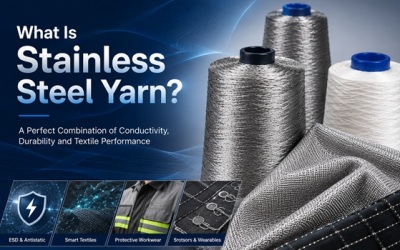
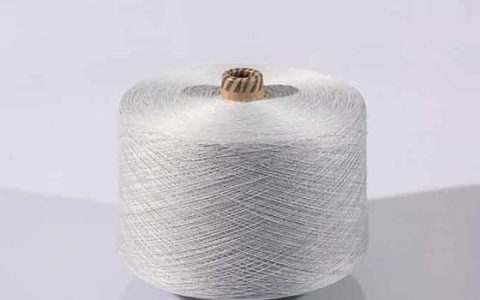
خيوط موصلةيُعدّ هذا الأمر ضروريًا لملابس غرف التنظيف الآمنة من التفريغ الكهروستاتيكي. تُنسج ألياف الكربون أو الخيوط الموصلة في النسيج لتبديد الكهرباء الساكنة بفعالية.
تُعد هذه التقنية ذات أهمية خاصة لتصنيع الإلكترونيات وغرف التنظيف الخاصة بأشباه الموصلات حيث يمكن أن يؤدي التفريغ الكهروستاتيكي إلى تلف المكونات الحساسة.
أقمشة مضادة للكهرباء الساكنة والتفريغ الكهروستاتيكي
صُممت الأقمشة المضادة للكهرباء الساكنة خصيصاً لتقليل تراكم الشحنات الساكنة. تعمل هذه الأقمشة على تحسين السلامة، والحد من مخاطر التلوث، وتعزيز موثوقية التشغيل في البيئات الخاضعة للرقابة.
غالباً ما يتم دمج الأقمشة المضادة للكهرباء الساكنة عالية الأداء مع هياكل نسيجية قابلة للتهوية لتحسين راحة مرتديها.
المواد القابلة لإعادة الاستخدام مقابل المواد التي تُستخدم لمرة واحدة
صُممت ملابس غرف التعقيم القابلة لإعادة الاستخدام لتتحمل الغسيل المتكرر والاستخدام طويل الأمد. وتُعد هذه الملابس اقتصادية في العمليات ذات الأحجام الكبيرة، وتوفر حماية مستمرة عند صيانتها بشكل صحيح.
تُستخدم الملابس النظيفة التي تستخدم لمرة واحدة بشكل شائع في البيئات التي تتطلب تعقيمًا صارمًا أو حيث تكون مخاطر التلوث عالية بشكل استثنائي.
ميزات مهمة يجب مراعاتها عند اختيار ملابس غرف التعقيم
يتطلب اختيار الملابس المناسبة لغرف التنظيف تقييمًا دقيقًا للمتطلبات التشغيلية والظروف البيئية.
أداء مكافحة التلوث.يجب أن يحتوي الثوب بشكل فعال على الجزيئات ويقلل من تساقط الألياف.
الحماية من التفريغ الكهروستاتيكي.ينبغي على الصناعات التي تتعامل مع الإلكترونيات اختيار ملابس غرف نظيفة مصنوعة من خيوط موصلة وأقمشة مضادة للكهرباء الساكنة معتمدة.
الراحة والتهوية.غالباً ما يرتدي العمال بدلات غرف الأبحاث لفترات طويلة، لذا فإن الأقمشة الوظيفية خفيفة الوزن يمكن أن تحسن الإنتاجية وتقلل من التعب.
متانة.ومن الاعتبارات الرئيسية الأخرى، خاصةً بالنسبة لبدلات غرف التنظيف القابلة لإعادة الاستخدام، أن المواد عالية الجودة والخياطة المعززة تساعد على إطالة عمر البدلة.
تصميم ملائم ومريح.قد تؤدي الملابس غير المناسبة في غرف التنظيف إلى تقليل حركة العمال وتعريض السيطرة على التلوث للخطر.
وأخيرًا، ينبغي على الشركات مراعاة الامتثال لمعايير الصناعة مثل تصنيفات ISO ولوائح ESD عند اختيار ملابس غرف التنظيف.
أفضل الممارسات لارتداء وصيانة ملابس غرف التنظيف
حتى الملابس المستخدمة في غرف التنظيف ذات الجودة العالية يمكن أن تصبح غير فعالة إذا لم يتم ارتداؤها أو صيانتها بشكل صحيح.
ينبغي على العمال اتباع إجراءات ارتداء الملابس الواقية المناسبة قبل دخول البيئات الخاضعة للرقابة. ويشمل ذلك ارتداء الملابس بالتسلسل الصحيح وتجنب التلامس غير الضروري مع الأسطح الخارجية.
ينبغي فحص ملابس غرف التنظيف بانتظام للتأكد من خلوها من التلف، أو وجود درزات مفكوكة، أو تدهور في النسيج. قد تتسبب ملابس غرف التنظيف التالفة في إطلاق جزيئات أو فقدان خصائصها المضادة للكهرباء الساكنة.
يُعدّ الغسيل السليم أمراً بالغ الأهمية أيضاً. يجب تنظيف ملابس غرف التعقيم القابلة لإعادة الاستخدام باستخدام إجراءات غسيل خاصة بغرف التعقيم تمنع التلوث وتحافظ على جودة النسيج.
تُعد ظروف التخزين بنفس القدر من الأهمية. يجب تخزين ملابس غرف التنظيف في بيئات نظيفة ومحكمة الإغلاق بعيدًا عن الغبار والرطوبة.
ينبغي على الشركات أيضاً وضع جداول زمنية لاستبدال الملابس بناءً على وتيرة الاستخدام ومتطلبات مكافحة التلوث.
كيفية اختيار مورد ملابس غرف التنظيف المناسب
يُعد اختيار مورد موثوق لملابس غرف التنظيف أمرًا بالغ الأهمية لضمان جودة المنتج وموثوقية التشغيل.
1. ينبغي للمورد الموثوق أن يقدم أقمشة وظيفية عالية الجودة ذات أداء مثبت في مكافحة التلوث ومقاومة التفريغ الكهروستاتيكي. كما أن الخبرة في تصنيع الأقمشة المضادة للكهرباء الساكنة وملابس غرف الأبحاث النظيفة أمر بالغ الأهمية.
2. يجب أن يمتلك الموردون أنظمة قوية لمراقبة الجودة وشهادات ذات صلة لضمان أداء المنتج بشكل متسق.
3. تُعدّ إمكانيات التخصيص ميزة أخرى. قد تتطلب الصناعات المختلفة تصميمات خاصة لبدلات غرف التنظيف، أو مقاسات مخصصة، أو تكوينات ملابس خاصة بكل صناعة.
4. الدعم الفني والخبرة في المنتج أمران بالغا الأهمية أيضاً. يمكن للمورد الخبير مساعدة الشركات في اختيار حلول ملابس غرف التنظيف المناسبة بناءً على تصنيف غرف التنظيف ومعايير الصناعة والمتطلبات التشغيلية.
5. وأخيراً، ينبغي على الشركات تقييم القدرة الإنتاجية للمورد، وأوقات التسليم، والموثوقية على المدى الطويل قبل إقامة التعاون.
خاتمة
تُعدّ ملابس غرف التنظيف عنصراً أساسياً في مكافحة التلوث في البيئات الحديثة الخاضعة للرقابة. فمن تصنيع أشباه الموصلات ومختبرات التكنولوجيا الحيوية إلى إنتاج الأدوية وتجميع الإلكترونيات الدقيقة، تساعد الملابس المتخصصة في الحفاظ على النظافة وجودة المنتج وسلامة مكان العمل.
ساهمت المواد المتطورة، مثل الأقمشة المضادة للكهرباء الساكنة والخيوط الموصلة والأقمشة الوظيفية عالية الأداء، في تحسين فعالية وراحة ملابس غرف التنظيف الحديثة بشكل ملحوظ. وسواءً أكان استخدام بدلات غرف التنظيف، أو أردية الحماية من التفريغ الكهروستاتيكي، أو نظام بدلة غرف التنظيف الكامل، يتعين على الشركات اختيار ملابس تتوافق مع متطلباتها التشغيلية والتنظيمية.
من خلال فهم أنواع الملابس، وتقنيات المواد، وممارسات الصيانة، ومعايير اختيار الموردين، يمكن للشركات إنشاء بيئات خاضعة للرقابة أكثر أمانًا وكفاءة مع ضمان موثوقية المنتج والامتثال على المدى الطويل.
أخبار ذات صلة
اقرأ المزيد >-
![كيف تعمل السترة المضادة للكهرباء الساكنة؟]()
كيف تعمل السترة المضادة للكهرباء الساكنة؟
تعرف على كيفية عمل السترة المضادة للكهرباء الساكنة، وكيف تعمل الخيوط الموصلة والأقمشة المضادة للكهرباء الساكنة على تبديد الشحنة الساكنة، وما الذي يؤثر على أداء الحماية من التفريغ الكهروستاتيكي.
-
![ما هي السترة المضادة للكهرباء الساكنة؟]()
ما هي السترة المضادة للكهرباء الساكنة؟
تعرف على ماهية السترة المضادة للكهرباء الساكنة، وكيفية عملها، والمواد المستخدمة فيها، وتطبيقاتها الرئيسية، ومعايير الحماية من التفريغ الكهروستاتيكي، وكيفية اختيار السترة المناسبة للعمل.
-
![ما هي استخدامات خيوط الفولاذ المقاوم للصدأ؟]()
ما هي استخدامات خيوط الفولاذ المقاوم للصدأ؟
اكتشف استخدامات خيوط الفولاذ المقاوم للصدأ، بدءًا من الأقمشة المضادة للكهرباء الساكنة والواقية من التداخل الكهرومغناطيسي وصولًا إلى المنسوجات الذكية والتدفئة والملابس الواقية.
-
![ما هو خيط الفولاذ المقاوم للصدأ؟]()
ما هو خيط الفولاذ المقاوم للصدأ؟
ما هو خيط الفولاذ المقاوم للصدأ؟ تعرف على موصليته وخصائصه وأنواعه وتطبيقاته واستخداماته في المنسوجات المضادة للكهرباء الساكنة والكهرباء الساكنة والمنسوجات الوظيفية.
-
![ما هي المنسوجات المقاومة للهب؟]()
ما هي المنسوجات المقاومة للهب؟
تعرف على ماهية الأقمشة المقاومة للهب، وكيفية عملها، وأنواع الأقمشة الرئيسية، وتطبيقاتها، ومعاييرها، وكيفية اختيار الأقمشة المقاومة للهب للملابس الواقية.
-
![ما هو قماش القطن المقاوم للهب؟]()
ما هو قماش القطن المقاوم للهب؟
يشرح هذا الدليل ماهية قماش القطن المقاوم للهب، وكيفية عمله، وكيف يختلف عن المواد المقاومة للهب الطبيعية، وأين يُستخدم، وما هي المعايير التي يجب على المشترين مراعاتها، وكيفية اختيار القماش المناسب لبرنامج الملابس الواقية.
-
![أيهما أفضل، قماش الأراميد أم قماش الكيفلار؟]()
أيهما أفضل، قماش الأراميد أم قماش الكيفلار؟
قارن بين نسيج الأراميد ونسيج الكيفلار، بما في ذلك القوة ومقاومة اللهب والتطبيقات والاختلافات الرئيسية لاختيار مادة الحماية المناسبة.
-
![ما هو نسيج الأراميد؟]()
ما هو نسيج الأراميد؟
تعرف على ماهية نسيج الأراميد، وخصائصه الرئيسية، والاختلافات بين نسيج ميتا أراميد ونسيج بارا أراميد، والاستخدامات الشائعة، وكيفية اختيار النسيج المناسب المقاوم للهب للملابس الواقية الصناعية.